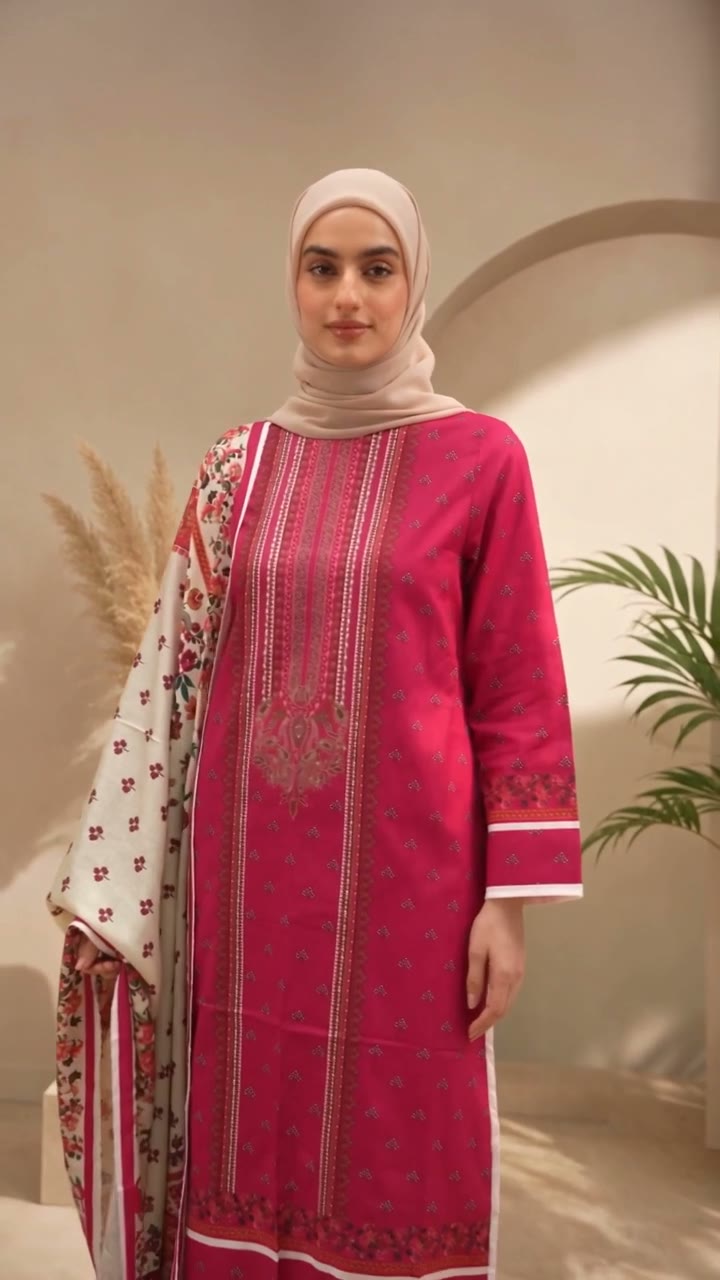
Shooting vertical first: what changed on Gul-e-Bahaar
Most vertical films are wide films cropped in the edit. Gul-e-Bahaar was framed for a 9:16 screen from the first storyboard, and it changed how we blocked, lit and cut every scene.
A phone held upright shows a frame a little over half as wide as it is tall. Crop a 16:9 shot to fit and you lose two thirds of the picture, usually the part that told you where you were. So on this film we stopped thinking of vertical as a delivery format and started treating it as the shape of the story.
Frame for the face, then the room
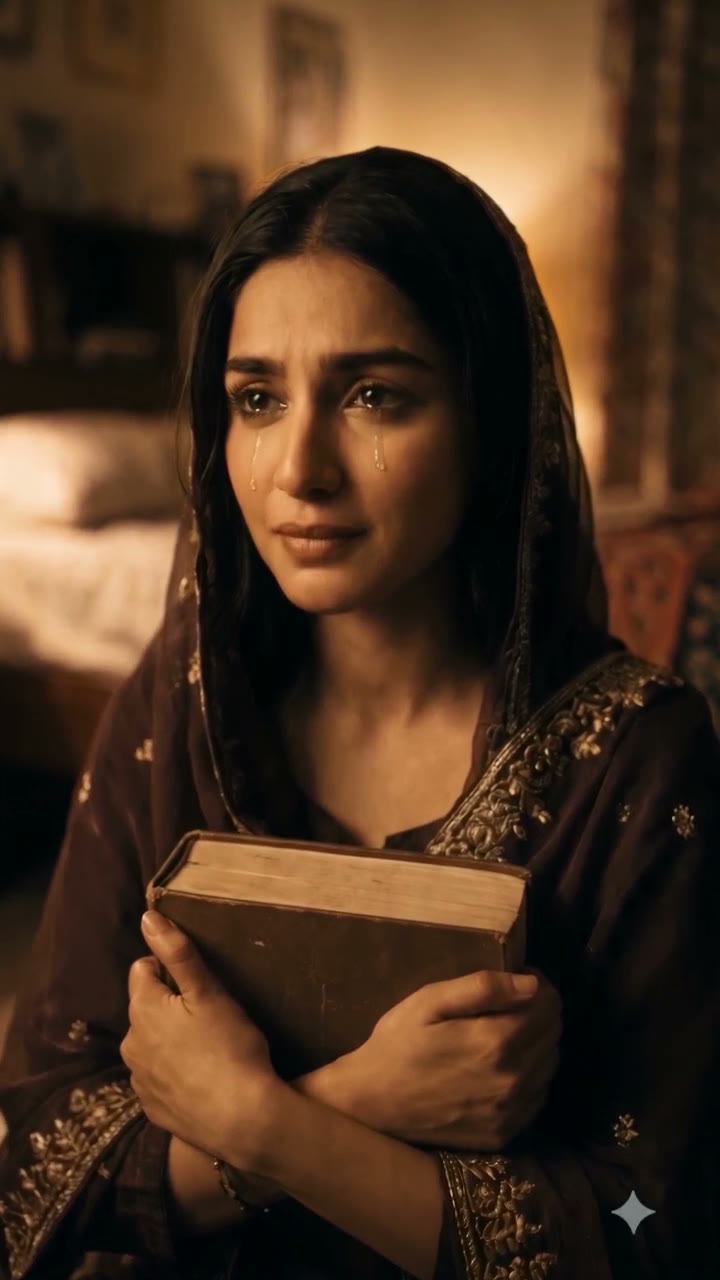
In a tall frame, a single face fills the screen at a distance that would feel like a mid shot in widescreen. That is a gift for drama. We kept our heroes in the upper third, eye-line close to the top, and let the room fall away below them: a book held to the chest, a lamp, the edge of a bed. The viewer reads the person first and the place second.
Block in depth, not across
Two characters standing side by side barely fit a 9:16 frame. Instead we staged scenes front to back: one character close to the lens, the other further into the room, or a single figure walking toward or away from camera down a street. Depth fills the height of the frame and keeps the composition alive without cutting.
If a scene needs two people side by side, it probably needs two shots.
Light the face, let the edges go dark
The phone's screen is small and usually seen in daylight, so contrast does the work. Warm practical lamps on faces, cooler light in the background, and a lot of shadow at the edges of frame. The night exteriors, from the rooftop to the headlights in the rain, are built on the same idea: one strong source, everything else falling off.
Keep type in the middle
The top and bottom of a vertical frame belong to the platform: usernames, captions, buttons. Title cards like the "Kuch saal baad" time jump, and every subtitle, sit in the centre safe area so nothing collides with an app's interface.
What we'd tell anyone starting a vertical film
- Storyboard on a 9:16 template from day one, not a crop guide on a wide frame.
- Plan coverage in depth: foreground, middle, background.
- Shoot a little wider than you think and protect headroom; you'll want it for reframes.
- Check every cut on an actual phone before you lock picture.